
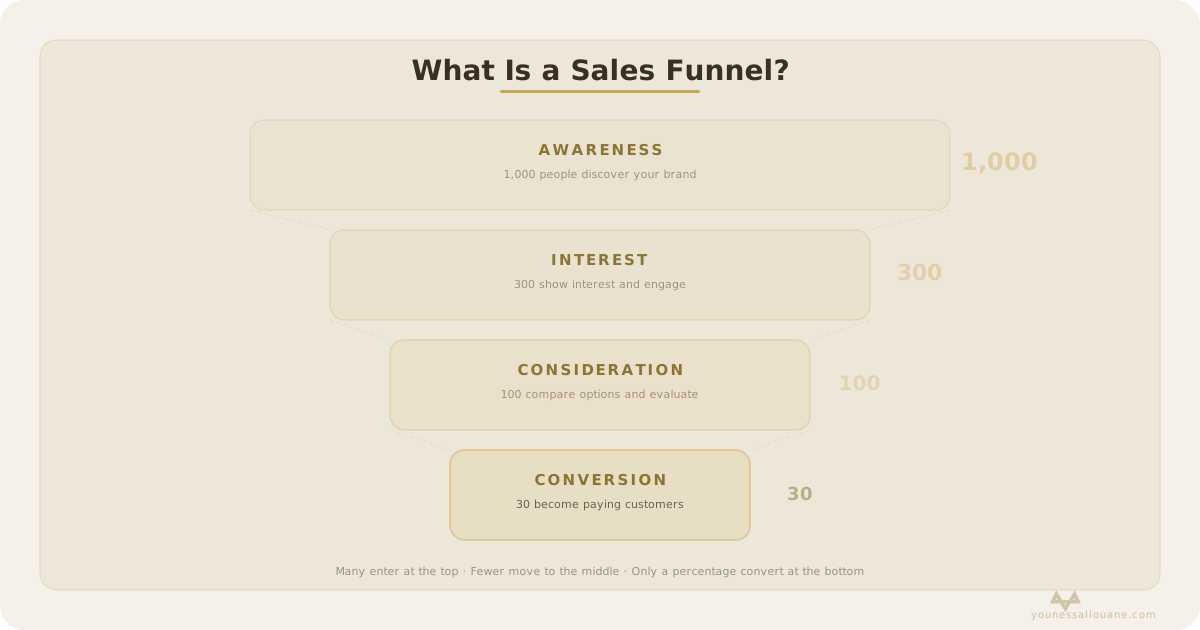
A sales funnel is the structured journey a potential customer takes from first discovering your brand to finally making a purchase.
It's called a "funnel" because many people enter at the top, fewer move to the middle, and only a percentage convert at the bottom. A sales funnel helps businesses understand how strangers become paying customers.
Why Is It Called a Funnel?
Imagine 1,000 people see your content. 300 show interest. 100 request more information. 30 buy.
The number decreases at each stage — just like a funnel narrows. That filtering process is your sales funnel in action.
The 4 Main Stages of a Sales Funnel
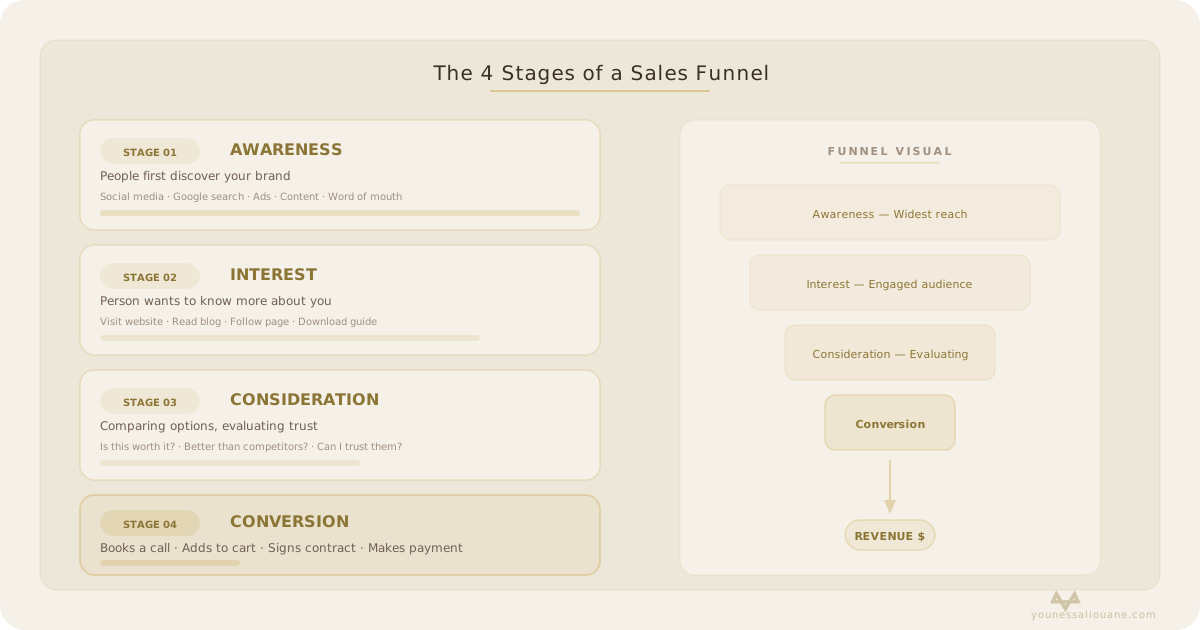
1. Awareness (Top of Funnel)
This is when people first discover your brand. It can happen through social media, Google search, ads, content marketing, or word of mouth.
The goal at this stage is not to sell. The goal is visibility.
2. Interest (Middle of Funnel – Part 1)
Now the person wants to know more. They might visit your website, read your blog, follow your page, or download a guide. Here, you build trust and authority.
3. Consideration (Middle of Funnel – Part 2)
The potential customer is comparing options. They are asking: Is this worth it? Is this better than competitors? Can I trust this company? At this stage, strong positioning and clear offers matter.
4. Conversion (Bottom of Funnel)
This is where sales happens. The person books a call, adds to cart, signs a contract, or makes payment. This is where your sales strategy operates.
Marketing Funnel vs Sales Funnel
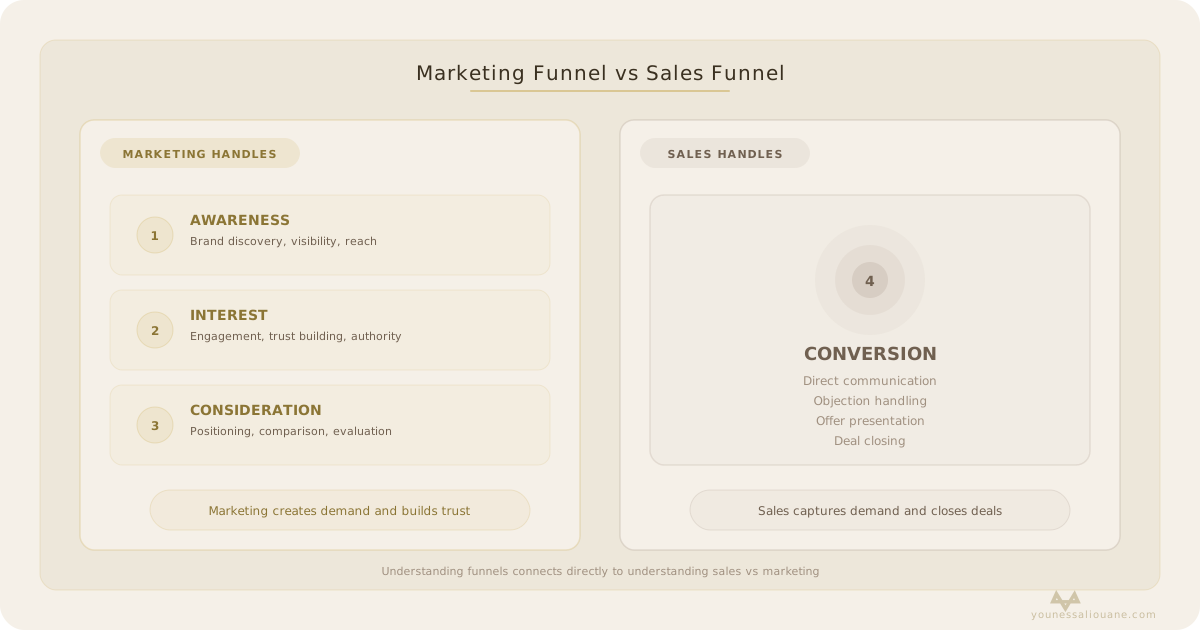
Marketing usually handles awareness, interest, and consideration. Sales usually handles conversion.
That's why understanding funnels connects directly to understanding sales vs marketing.
Why Sales Funnels Matter
Without a funnel, you rely on random sales, growth becomes unpredictable, and you don't know where leads drop off.
With a structured funnel:
- You know where people lose interest
- You optimize specific stages
- You increase conversion rates
- You scale more efficiently
Example of a Simple Sales Funnel
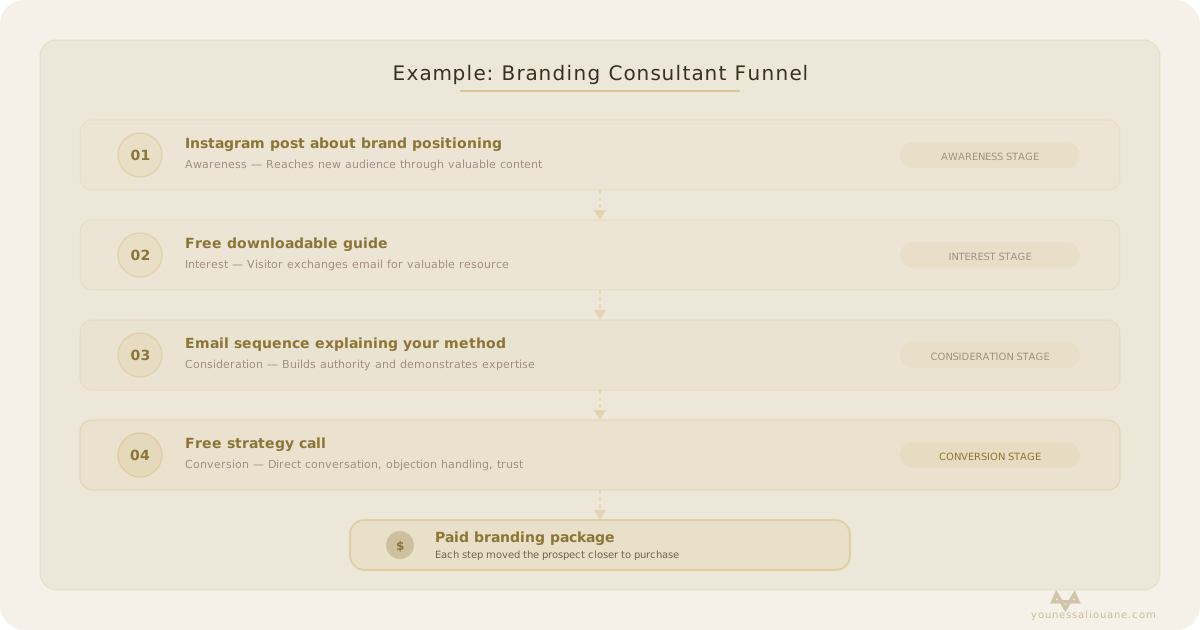
Let's say you are a branding consultant. Your funnel could look like this:
- Instagram post about brand positioning
- Free downloadable guide
- Email sequence explaining your method
- Free strategy call
- Paid branding package
Each step moves the prospect closer to purchase.
The Real Purpose of a Sales Funnel
A sales funnel is not just about selling. It is about guiding the customer, reducing confusion, building trust step by step, and making buying easier.
Good funnels feel natural, not aggressive.
Final Thought
If marketing attracts attention and sales closes deals, the sales funnel connects both into one system.
Without a funnel, growth is accidental. With a funnel, growth becomes engineered.
