
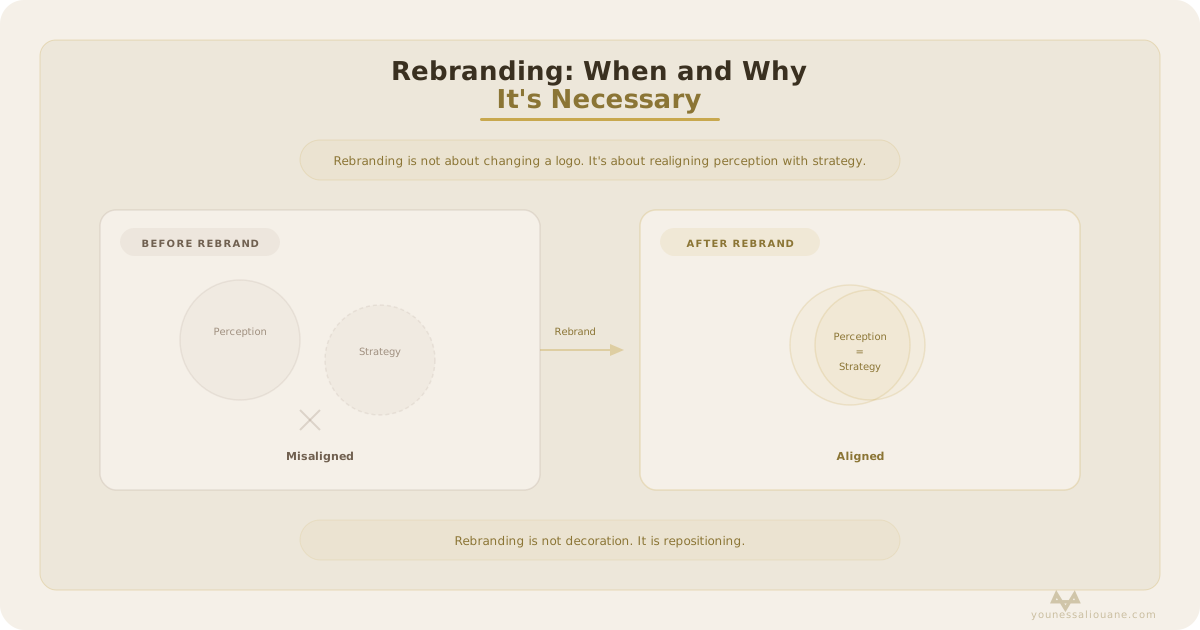
Rebranding is not about changing a logo. It's about realigning perception with strategy. Many companies rebrand for the wrong reasons — trends, boredom, or pressure. But rebranding should never be cosmetic. It should be strategic.
So the real question is: When is rebranding truly necessary?
What Is Rebranding?
Rebranding is the process of changing how a brand is perceived in the market. It can involve visual identity changes, messaging updates, positioning shifts, brand architecture restructuring, and new target audiences. Rebranding is not decoration. It is repositioning.
When Is Rebranding Necessary?
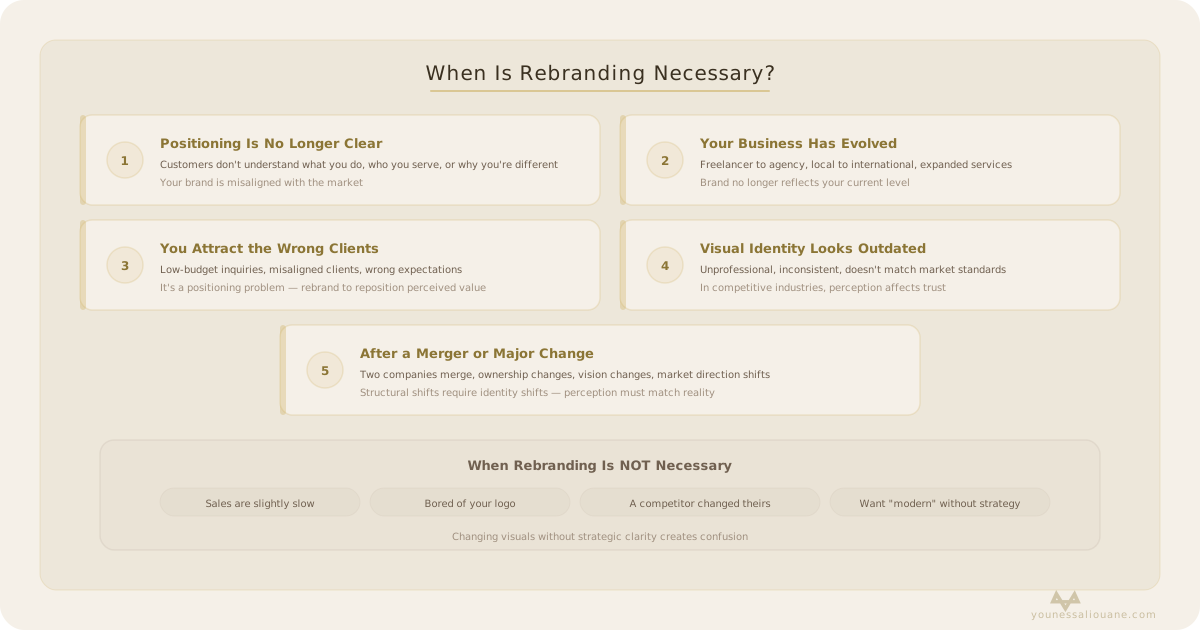
1. Your Positioning Is No Longer Clear
Markets evolve. If customers no longer understand what you do, who you serve, or why you're different — then your brand is misaligned. Rebranding becomes necessary to clarify your positioning.
2. Your Business Has Evolved
Many companies grow beyond their original identity. You started as a freelancer and became an agency. You moved from local to international markets. You expanded services. If your brand no longer reflects your current level, it limits growth.
3. You Attract the Wrong Clients
Your brand attracts the audience it communicates to. If you constantly get low-budget inquiries, misaligned clients, or wrong expectations — it's often a positioning problem. Rebranding helps reposition your perceived value.
4. Your Visual Identity Looks Outdated
Design trends change. But this alone is not enough reason to rebrand. However, if your brand looks unprofessional, feels inconsistent, or doesn't match market standards — it may hurt credibility. In competitive industries, perception affects trust.
5. After a Merger or Major Change
Structural shifts require identity shifts. Rebranding is necessary when two companies merge, ownership changes, vision changes, or market direction shifts. Because perception must match reality.
When Rebranding Is NOT Necessary
You do NOT need rebranding if sales are slightly slow, you are bored of your logo, a competitor changed theirs, or you want something "more modern" without strategic reason. Changing visuals without strategic clarity creates confusion.
Types of Rebranding
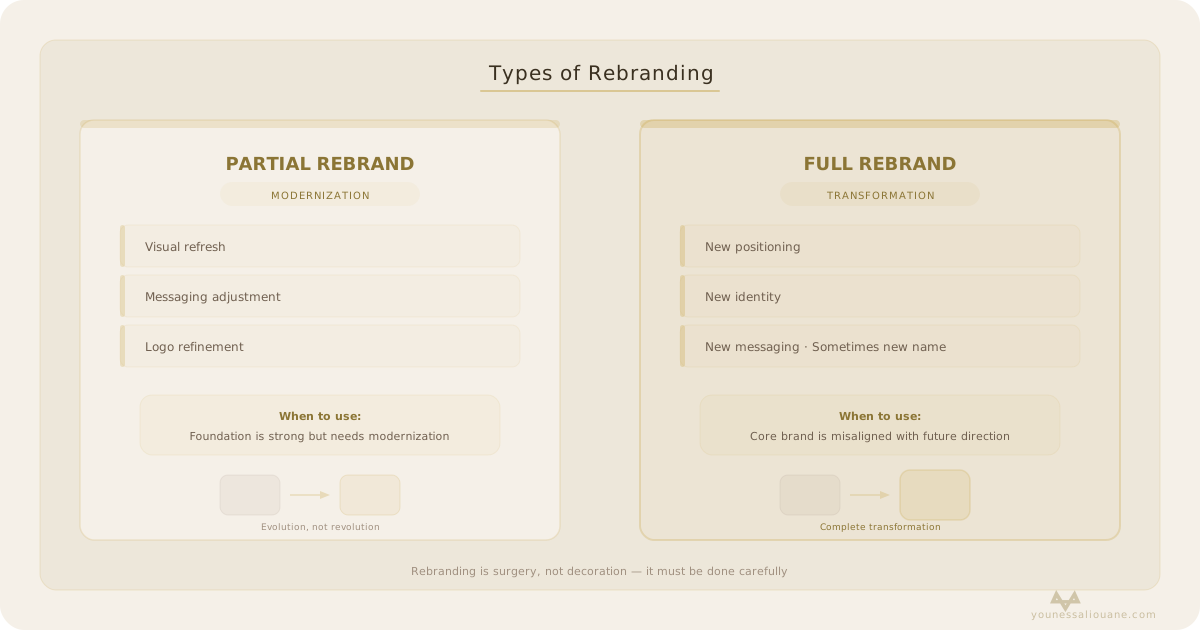
A partial rebrand involves a visual refresh, messaging adjustment, and logo refinement — used when the foundation is strong but needs modernization. A full rebrand involves new positioning, new identity, new messaging, and sometimes a new name — used when the core brand is misaligned with future direction.
The Risk of Rebranding
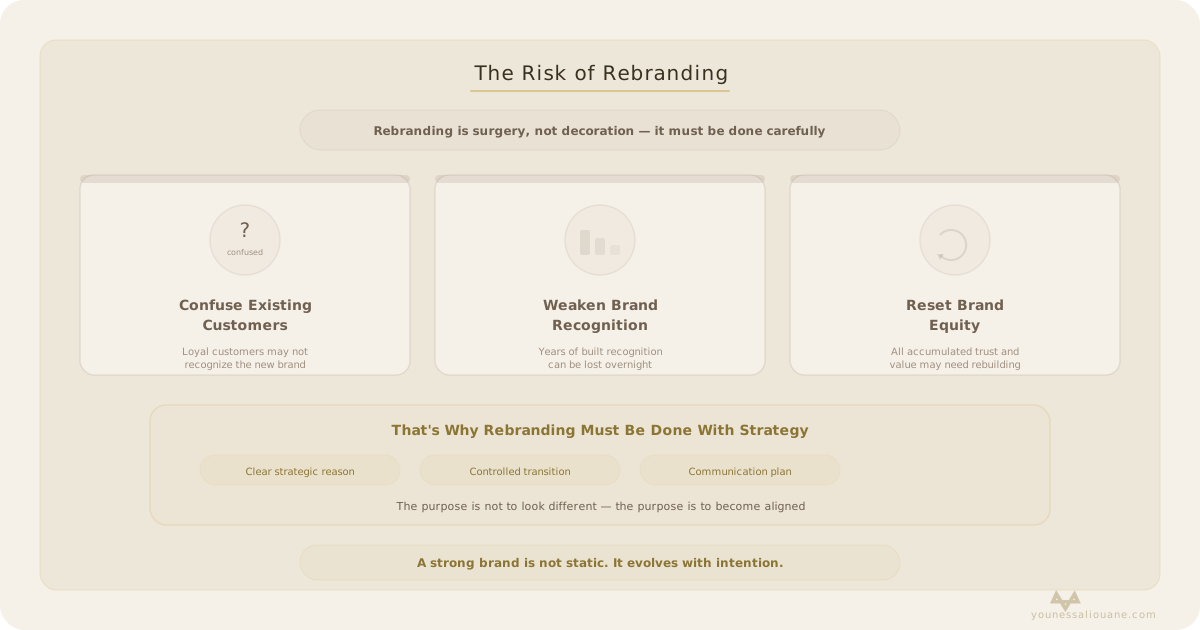
Rebranding can confuse existing customers, weaken brand recognition, and reset brand equity. That's why it must be done carefully. Rebranding is surgery, not decoration.
Final Thought
Rebranding is necessary when your brand no longer represents who you are — or where you are going. The purpose is not to look different. The purpose is to become aligned.
A strong brand is not static. It evolves with intention.
