
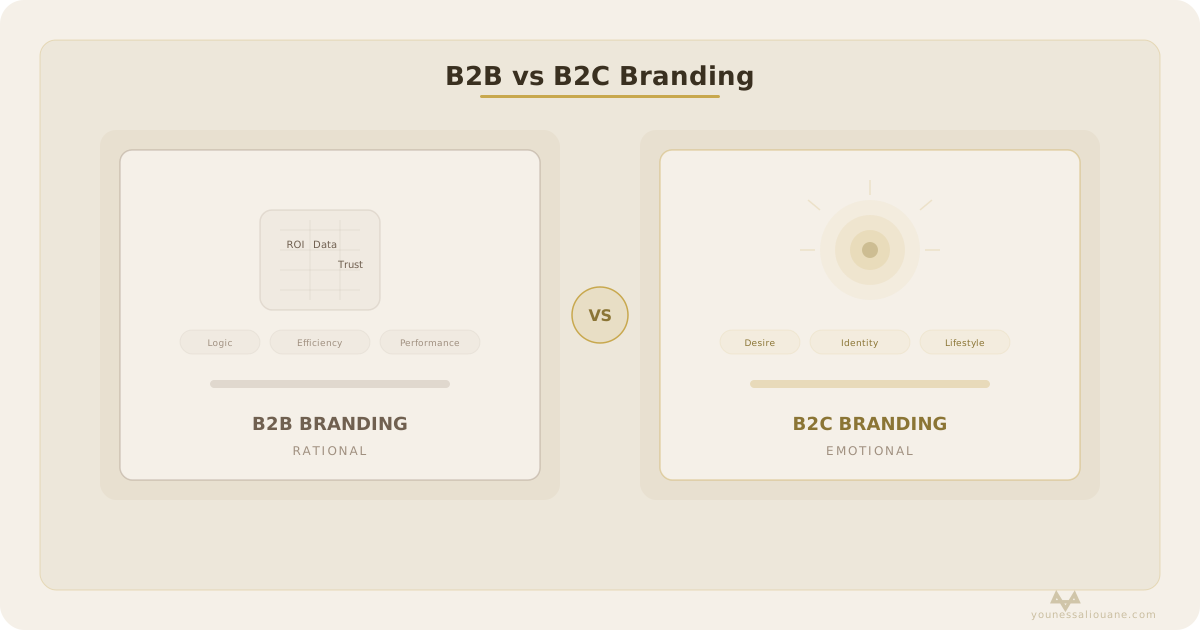
The biggest difference between B2B and B2C branding is not the logo. It's not the colors. It's not even the design style.
The real difference is psychological: B2B branding is primarily rational. B2C branding is primarily emotional. Understanding this changes everything in how you build a brand.
B2B Branding: Rational Decision-Making
In B2B (Business-to-Business), you are selling to companies. The buyer is usually a manager, a director, a CEO, or a procurement team. They are responsible for budgets, performance, and results. Their decision is driven by logic.
They ask: What is the ROI? Does this improve efficiency? Is this reliable long-term? Does this reduce risk? Is this worth the investment?
Because the decision is rational, branding must communicate credibility, expertise, stability, authority, and proof. That's why many B2B brands look structured and professional.
Think of companies like IBM, SAP, and Microsoft. Their branding focuses on performance, innovation, and trust. They don't sell excitement. They sell security and results.
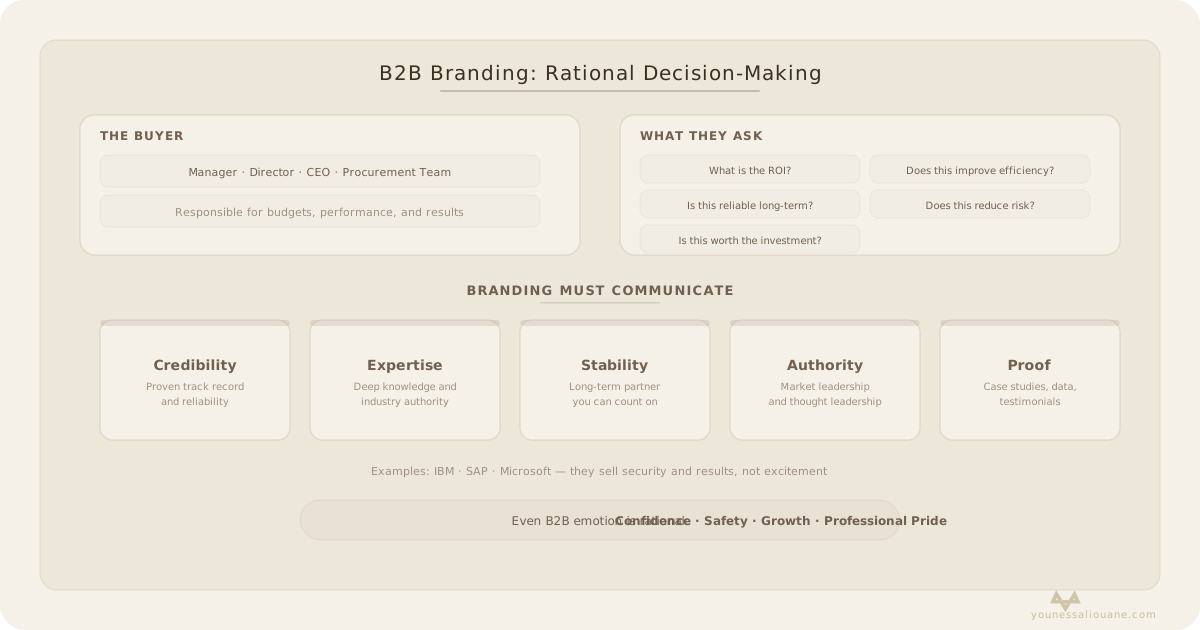
Even when emotion is used in B2B, it's a rational emotion: Confidence, Safety, Growth, Professional Pride.
B2C Branding: Emotional Decision-Making
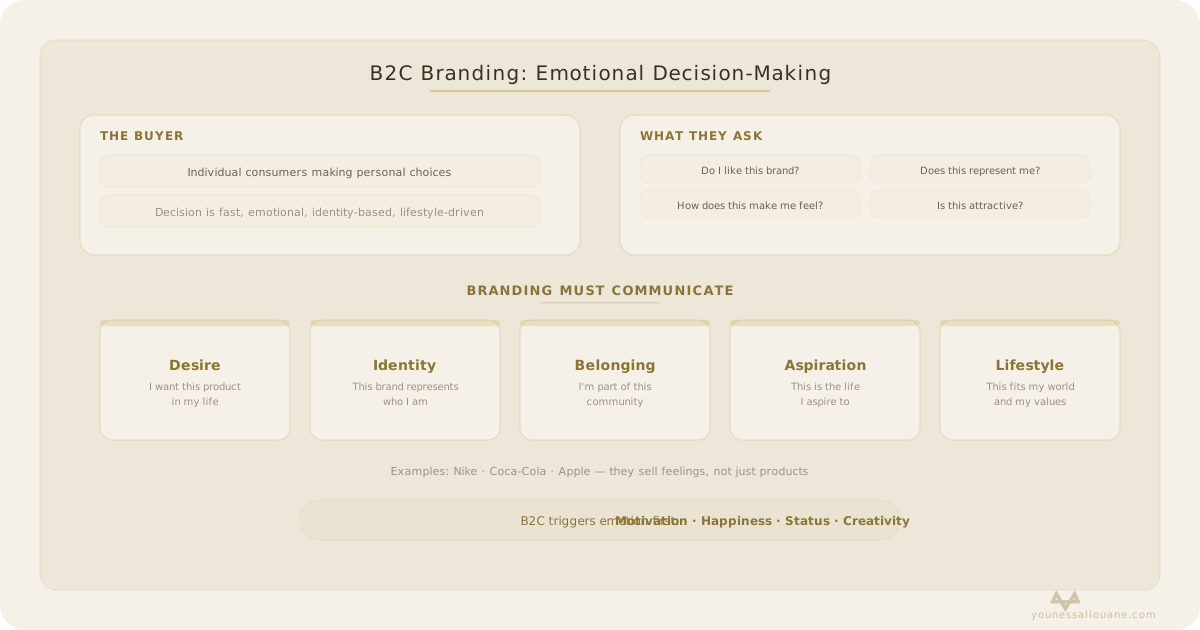
In B2C (Business-to-Consumer), you sell directly to individuals. The decision is often fast, emotional, identity-based, and lifestyle-driven.
Consumers ask: Do I like this brand? Does this represent me? How does this make me feel? Is this attractive? The purchase may later be justified logically — but it starts emotionally.
Because the decision is emotional, branding must communicate desire, identity, belonging, aspiration, and lifestyle. Look at brands like Nike, Coca-Cola, and Apple. They don't just sell products. They sell feelings. Motivation. Happiness. Status. Creativity.
The Strategic Difference
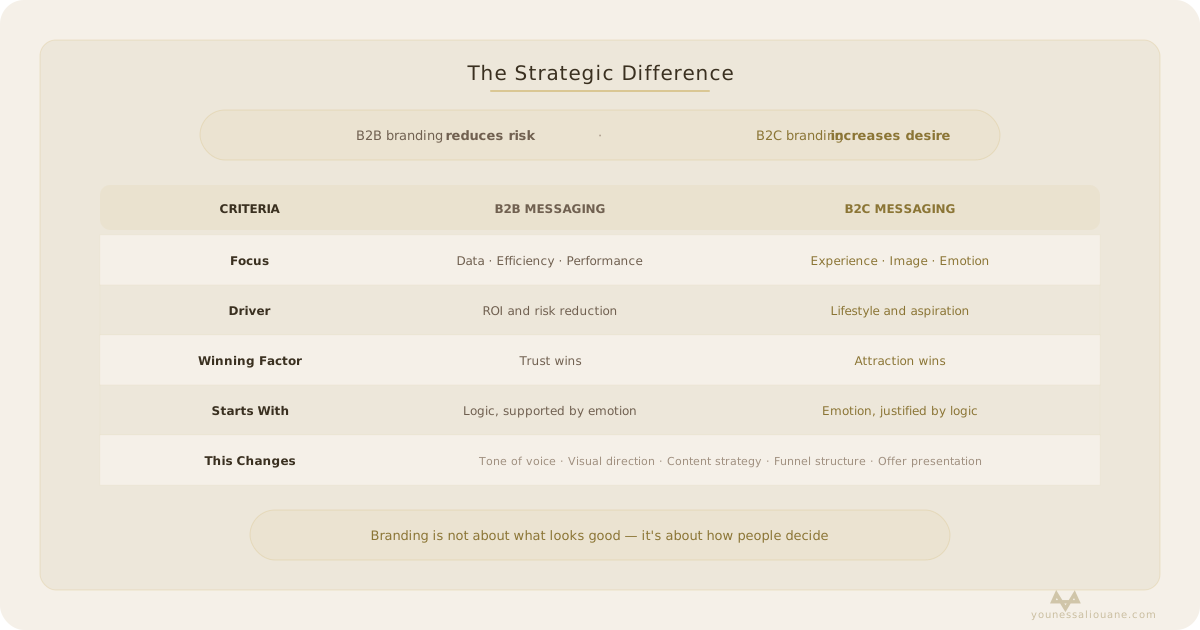
Here is the core contrast: B2B branding reduces risk. B2C branding increases desire.
| Criteria | B2B Messaging | B2C Messaging |
|---|---|---|
| Focus | Data, Efficiency, Performance | Experience, Image, Emotion |
| Driver | ROI and risk reduction | Lifestyle and aspiration |
| Winning Factor | Trust wins | Attraction wins |
| Starts With | Logic, supported by emotion | Emotion, justified by logic |
Important Clarification
This does not mean B2B has no emotion or B2C has no logic. Both use both. But the dominant driver is different.
B2B starts with logic and supports it with emotion. B2C starts with emotion and justifies it with logic. That shift changes tone of voice, visual direction, content strategy, sales funnel structure, and offer presentation.
Final Insight
Before building a brand, ask one critical question: Is my audience making a rational decision or an emotional one?
Branding is not about what looks good. It's about how people decide. And people decide differently in B2B and B2C.
